Bring the Coast to Your Canvas: Watercolor Nautical Coastal Clipart
There’s a distinct feeling that comes with a coastal morning—the soft light, the muted tones of sea and sky, and the quiet rhythm of the tide. Translating that serene, organic aesthetic into a digital design project can be a challenge. Standard vector graphics often feel too sterile, and stock photos can be generic. This is where a thoughtfully curated set of Watercolor Nautical Coastal Clipart becomes an invaluable asset. It’s not just a collection of images; it’s a toolkit for injecting authentic, handcrafted charm and a relaxed, breezy personality into your work.
The Visual Language of Watercolor Coastal Art
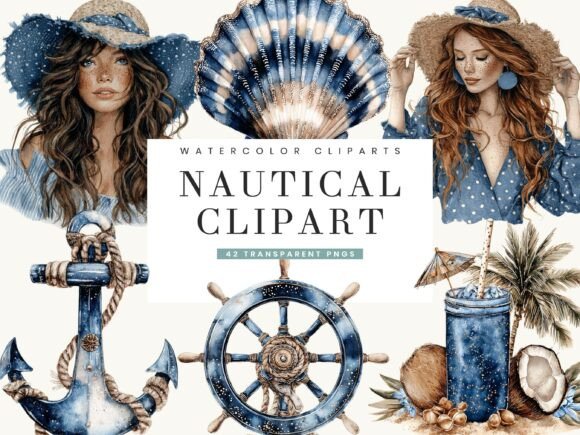
At its core, this style of clipart is defined by its medium and its subject. The watercolor technique brings a beautiful, inherent softness. You’ll see gentle color bleeds, subtle texture variations, and a transparency that allows elements to layer gracefully without feeling heavy or obtrusive. The color palette naturally gravitates towards the coast: soft sandy beiges, weathered wood browns, deep navy blues, tranquil seafoam greens, and the crisp white of breaking waves. This palette is inherently calming and versatile, working well for both feminine and gender-neutral designs.
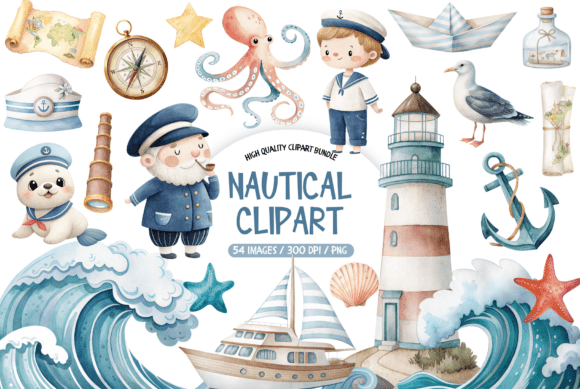
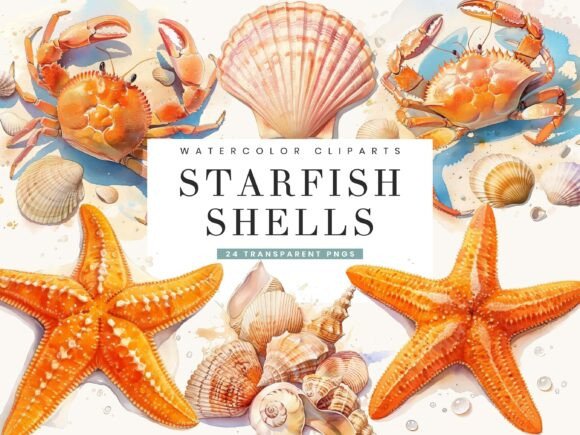
The personality of Watercolor Nautical Coastal Clipart is relaxed, nostalgic, and inviting. It evokes a sense of timeless seaside charm—the kind found in a vintage beach cottage, a weathered sailor’s journal, or the simple treasures collected in a shell-lined jar. The illustrations, whether of anchors, lighthouses, sailboats, shells, or marine life, are rendered with an artisanal touch that feels personal and handcrafted. This stands in stark contrast to the hard edges of modern vector art, offering a human element that resonates emotionally with an audience.
Strategic Applications: Where Coastal Clipart Shines
The true value of these design assets lies in their practical application across a wide spectrum of projects. For brand identity and logo design, a single anchor or lighthouse icon rendered in this soft watercolor style can immediately communicate a brand’s connection to the sea, tranquility, or a relaxed lifestyle. It’s perfect for boutique hotels, coastal cafés, surf shops, wedding planners specializing in beach ceremonies, or skincare brands with marine ingredients. The style suggests authenticity and a commitment to a specific aesthetic.
In editorial design and packaging design, these elements excel as decorative accents. They can frame a magazine article about coastal living, add a thematic touch to a cookbook focusing on seafood, or adorn the label of a artisanal salt or jam. For web design and social media graphics, they serve as engaging visual anchors. A subtle watercolor wave can break up text-heavy sections on a website, while a cluster of shells can make an Instagram post about a beach vacation feel more polished and cohesive. The transparent PNG format ensures they integrate seamlessly into any layout.
For DIY crafts, printables, and digital planners, the applications are nearly endless. Use them to create custom beach-themed wedding invitations, design a series of motivational prints for a home office, decorate scrapbook pages from a family coastal trip, or build a cohesive set of stickers for a digital planning app. The high 300 DPI resolution ensures that the soft watercolor details remain crisp and beautiful when printed, making them suitable for professional-grade print design projects.
Practical Guidance for Using Coastal Clipart Effectively
When integrating this style into your work, a few practical considerations will help you achieve the best results. First, consider the font pairing. The organic, fluid nature of watercolor clipart pairs best with typefaces that complement rather than compete. A clean, sans serif font like a geometric or humanist sans can provide a modern, readable counterpoint. For a more classic or elegant feel, a serif font with moderate contrast works well. Avoid overly ornate script fonts or handwritten fonts that might clash with the art’s own handcrafted quality; if you use one, ensure it has a similar level of restraint.
Next, think about visual hierarchy. These illustrations are powerful, so use them intentionally. A single, well-placed nautical element can serve as a focal point. Using too many at once can create visual clutter and dilute their impact. Let the clipart support your message, not overwhelm it. Because the designs come with transparent backgrounds, they are incredibly easy to layer. Try placing a watercolor anchor partially behind a text block or using a soft wave as a subtle divider between sections of content.
Finally, always review the commercial licensing terms included with your purchase. Most reputable clipart bundles, like this 42-piece set, are licensed for both personal and commercial use, which is essential for entrepreneurs and small business owners. This allows you to use the assets in products you sell, marketing materials, and client projects without legal concerns. Before finalizing a design, test how the clipart looks in context. Place it on both light and dark backgrounds to see how the colors interact, and check the clarity at the size you intend to use it.
By choosing Watercolor Nautical Coastal Clipart, you’re not just buying images. You’re investing in a cohesive visual language that can elevate your projects, tell a more compelling story, and connect with an audience that appreciates the beauty of a calm, coastal aesthetic. It’s a versatile toolkit for bringing the refreshing spirit of the ocean directly into your creative work.